Lab Leader
- Nayyar Zaidi DMKD Group Lead
The DMKD Group works on data mining, knowledge discovery, and machine learning methods for structured, multimodal, scientific, and engineering data. Our research focuses on building models that are not only accurate, but also useful under practical constraints: limited data, heterogeneous data, domain knowledge, robustness, uncertainty, and deployment.
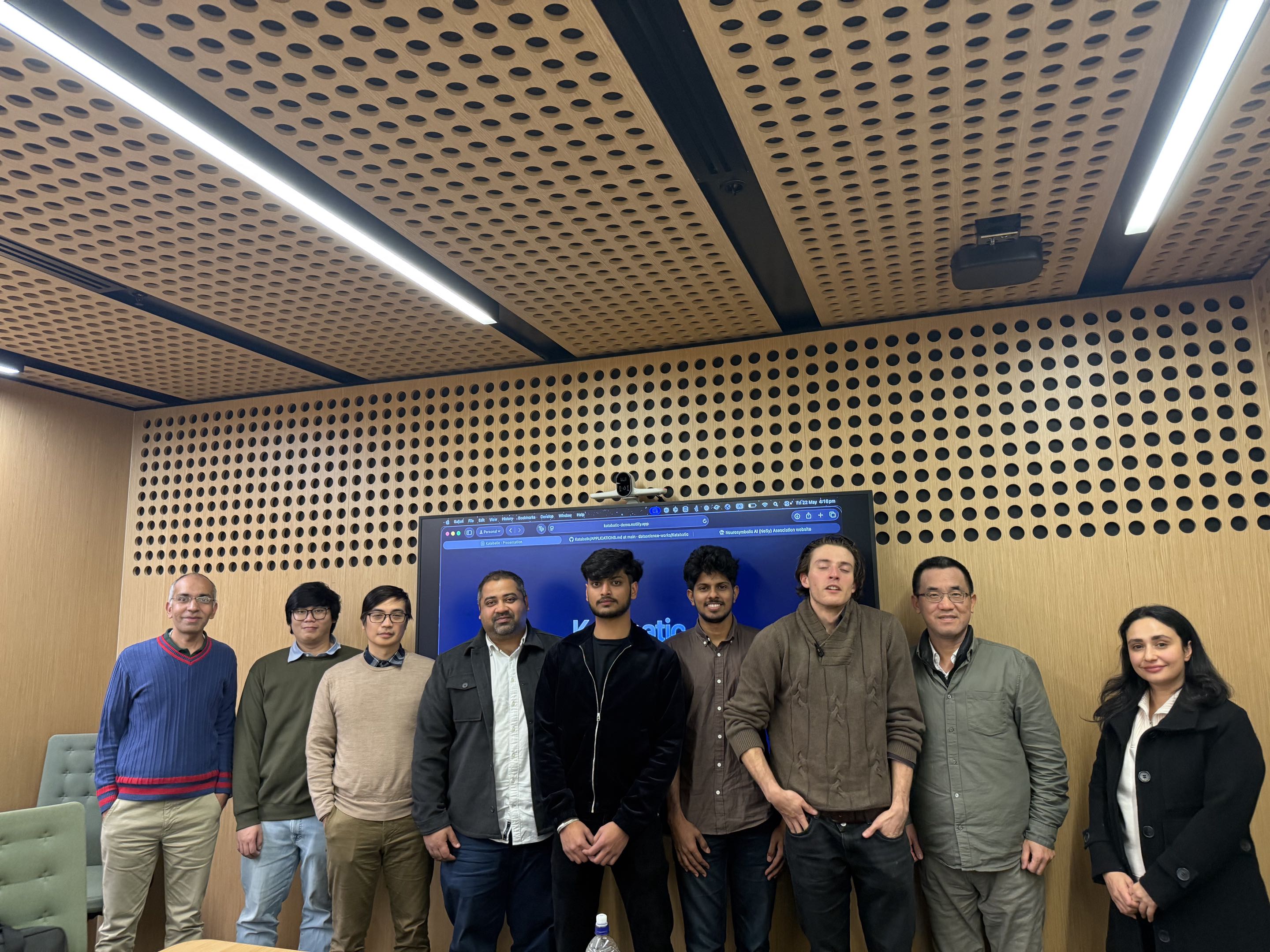
Group photo after research discussions and project updates.
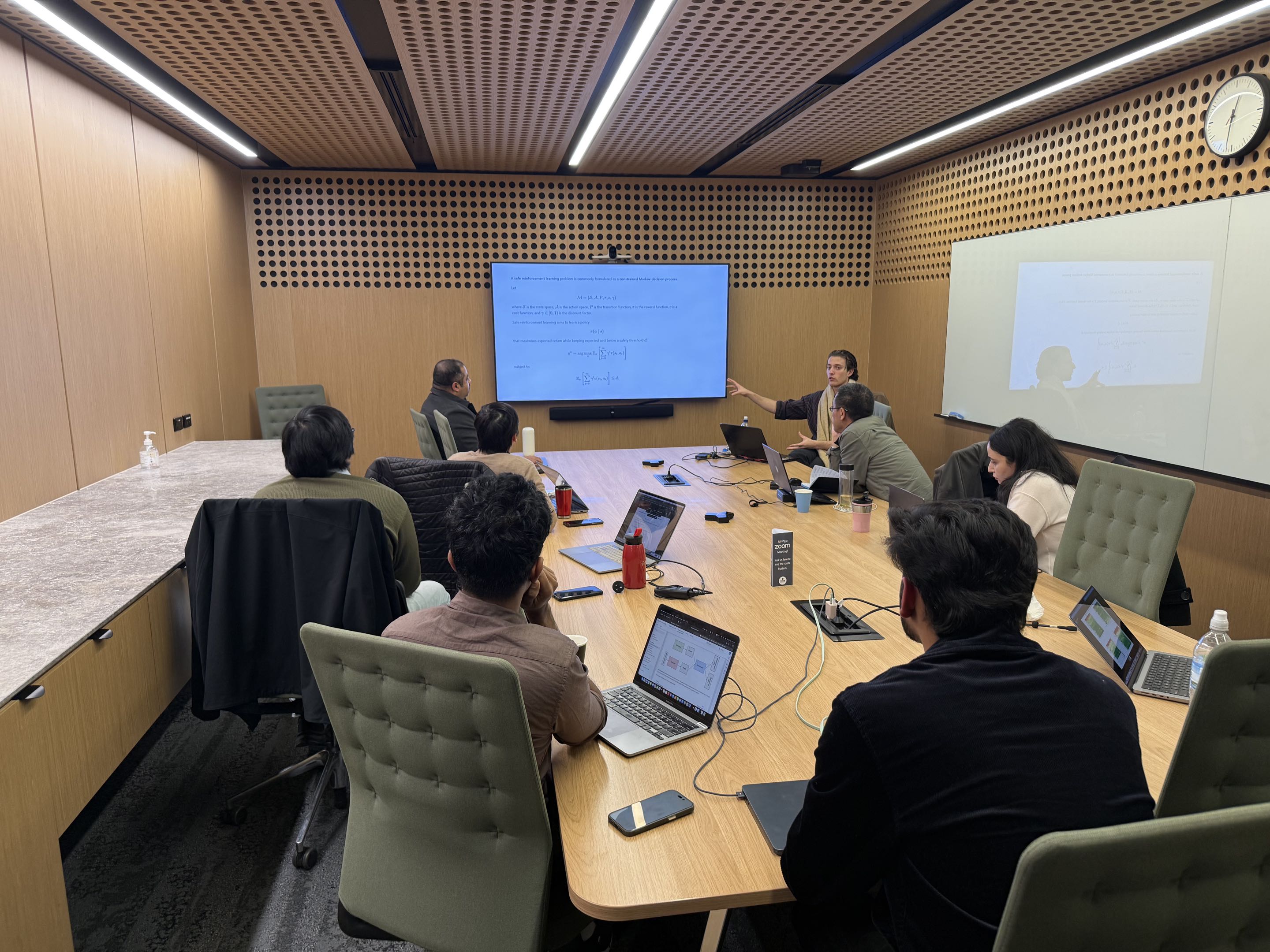
Students and collaborators presenting emerging ideas and ongoing work.
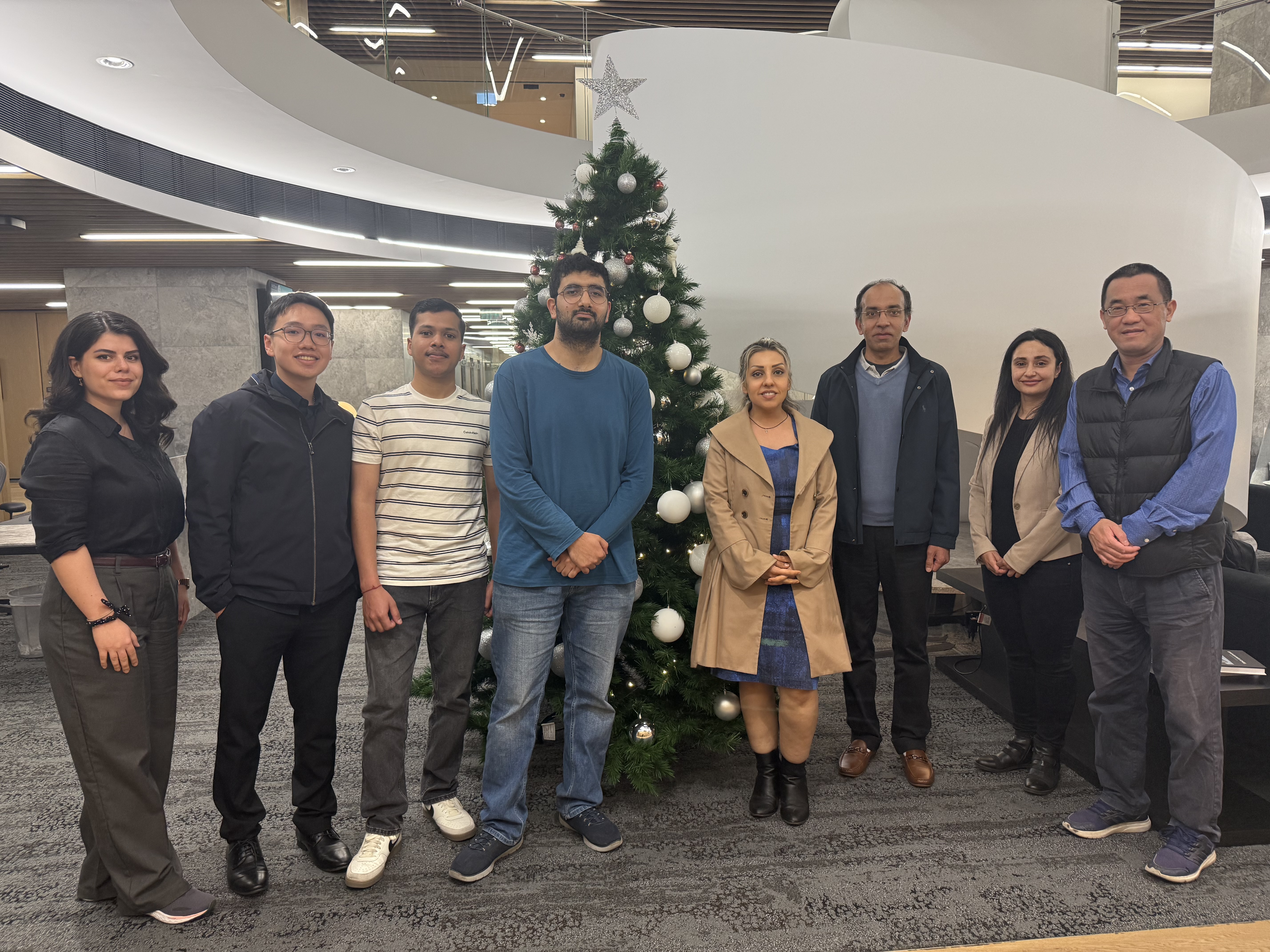
End-of-year gathering to celebrate progress, publications, and collaborations.
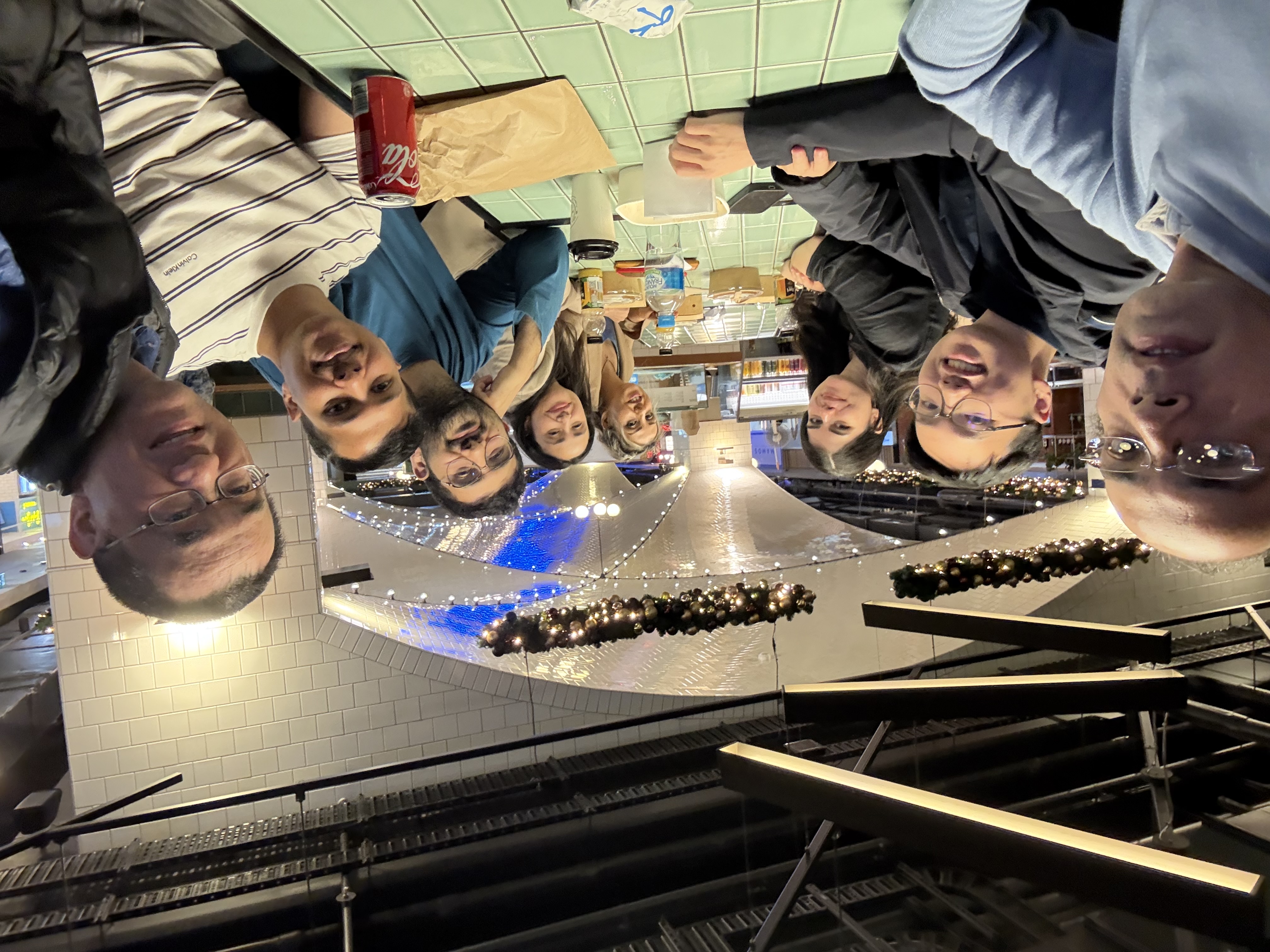
Group Lunch at Deakin Downtown.
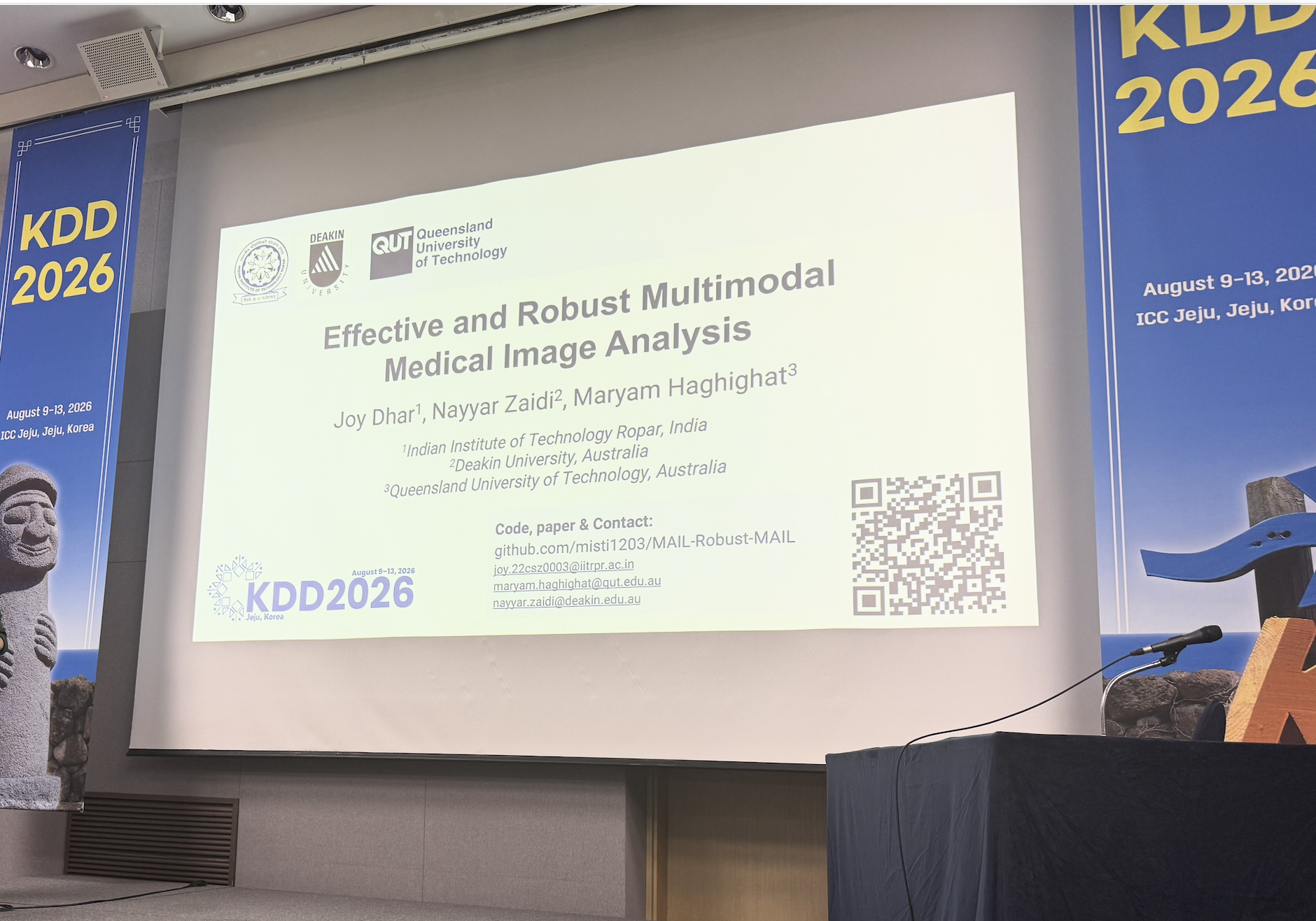
Presentation at KDD2026 Jeju, Korea.
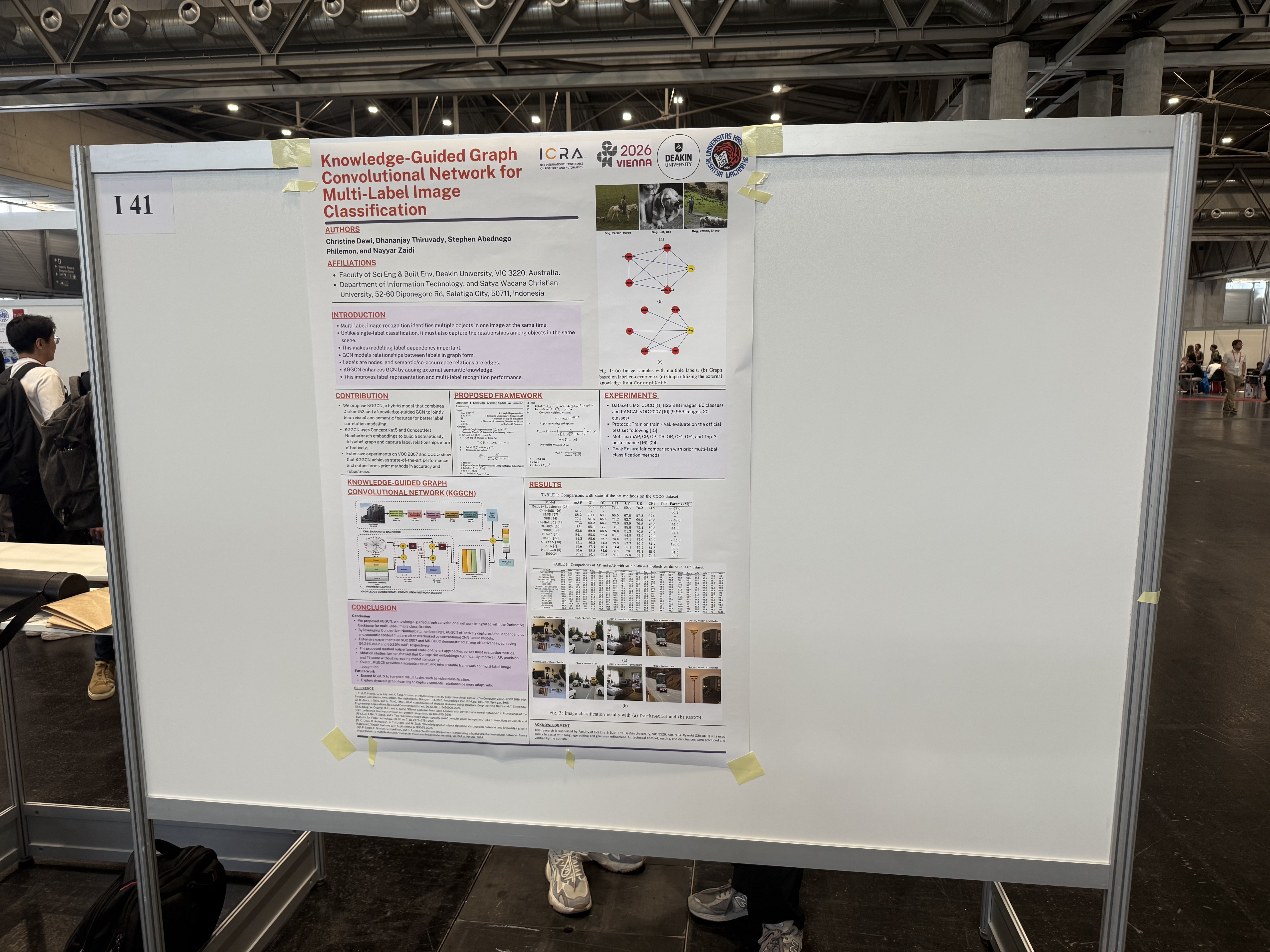
Presentation at ICRA2026 Vienna, Austria.
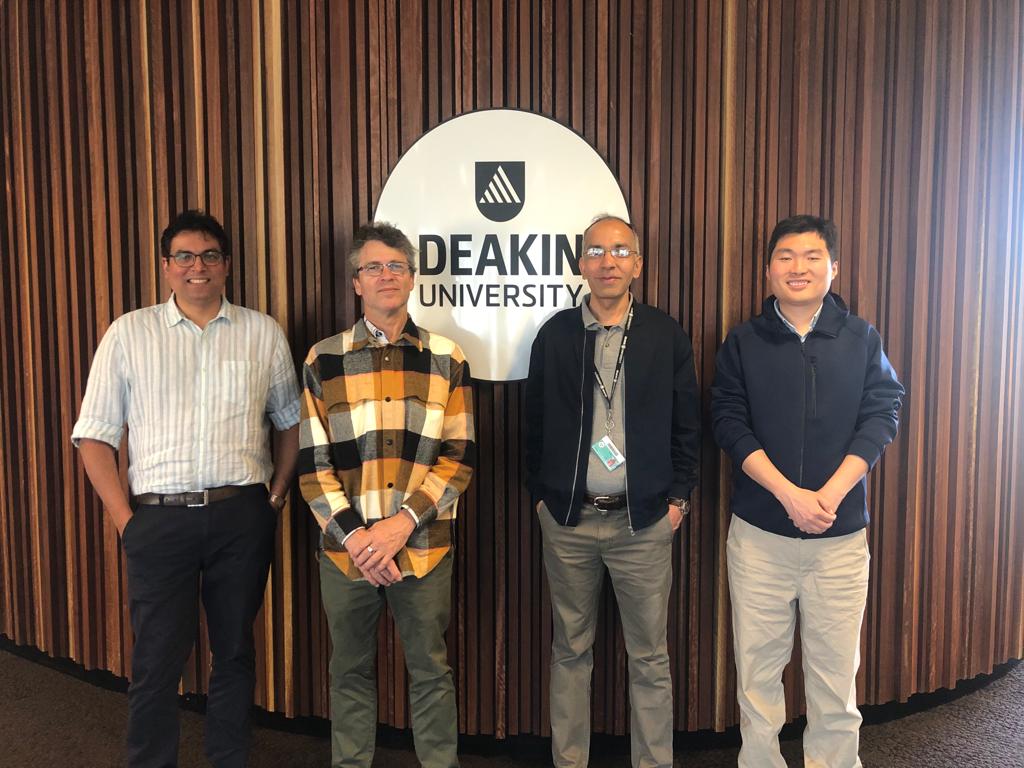
Burwood Corporate Center, Nov 2024
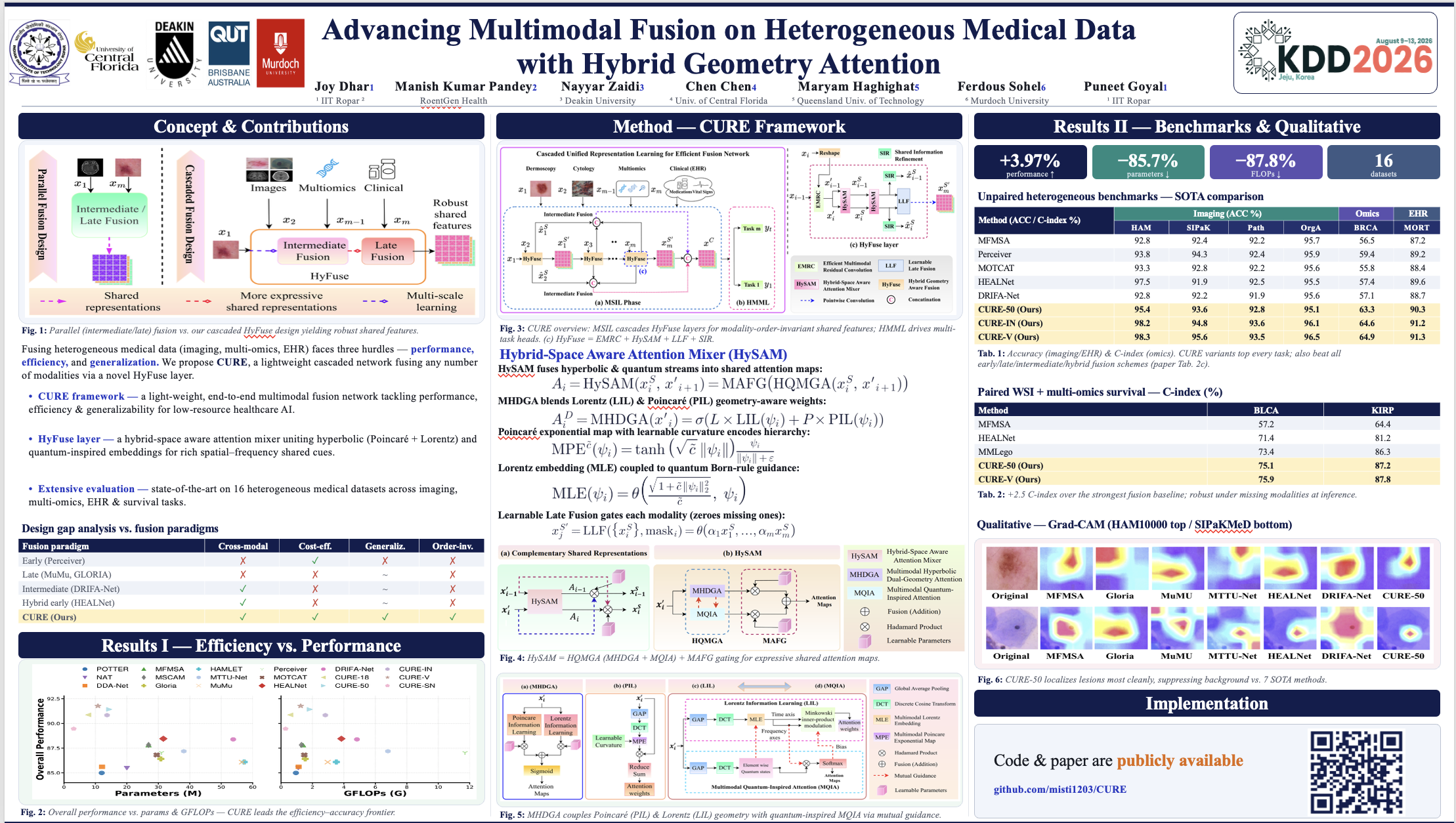
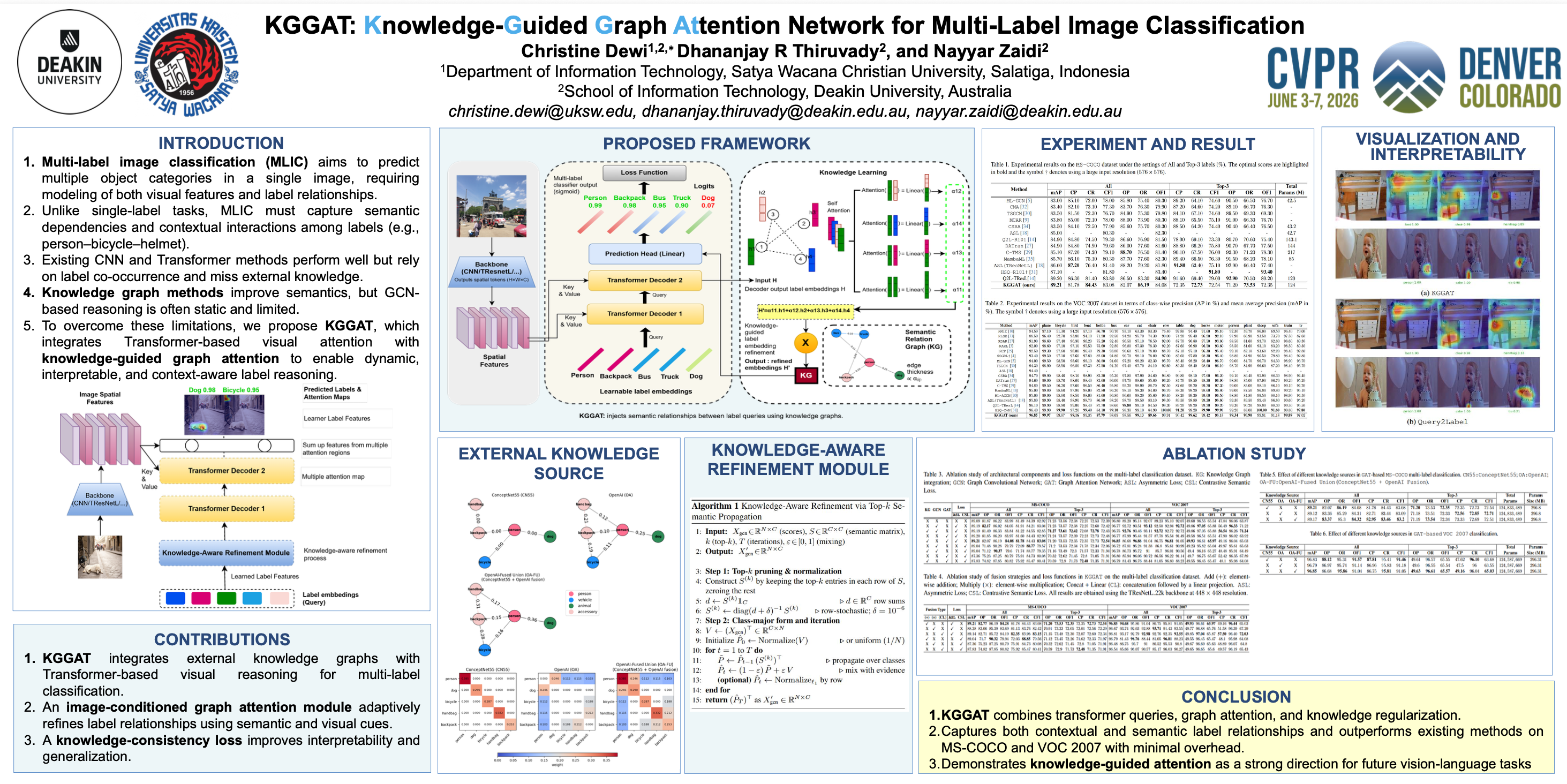
A selection of posters presented by the DMKD Group at conferences, workshops, research retreats, and project meetings.
The DMKD Group works across five connected research streams. Each stream focuses on a different aspect of data mining, knowledge discovery, and machine learning, while sharing a common interest in structured data, knowledge, robustness, and practical impact.
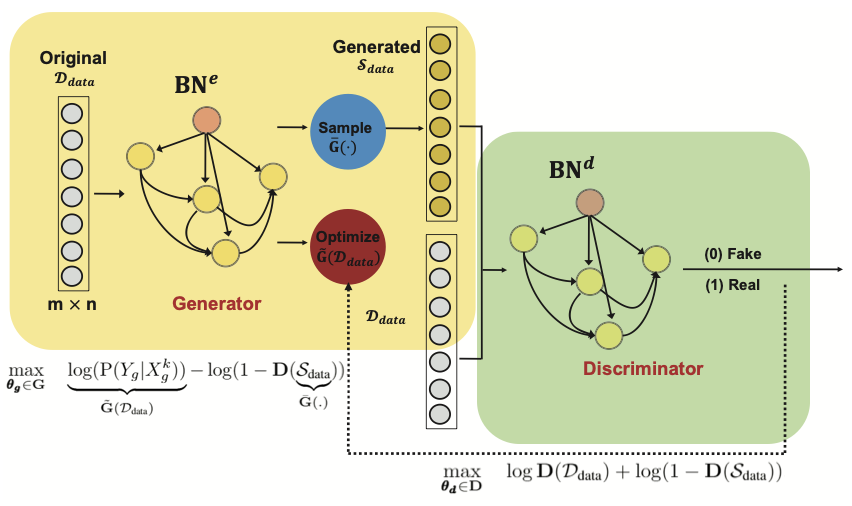
We develop generative models for structured tabular data, with emphasis on mixed data types, feature dependencies, fairness, privacy, robustness, data scarcity, and reliable synthetic data generation.
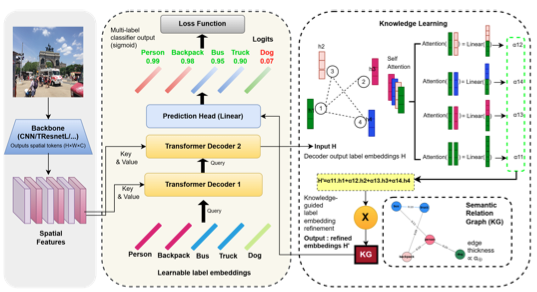
We study how domain knowledge can be injected into machine learning through knowledge graphs, constraints, semantic relations, scientific principles, engineering models, architectures, losses, and inference procedures.
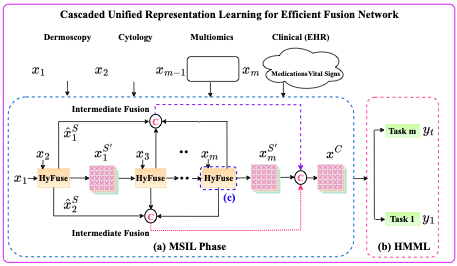
We develop models that learn from multiple sources of information, especially in medical image analysis. This stream includes work on multimodal fusion, hybrid attention, geometry-aware learning, foundation-model adaptation, uncertainty, and robust medical imaging.
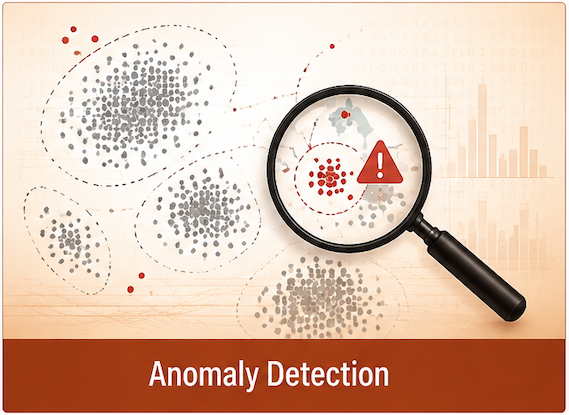
We investigate anomaly detection for structured and tabular data, especially cases where anomalies are not merely isolated points but records that violate normal dependency structure. Current work studies struture-aware anomaly detection for heterogeneous tabular data.
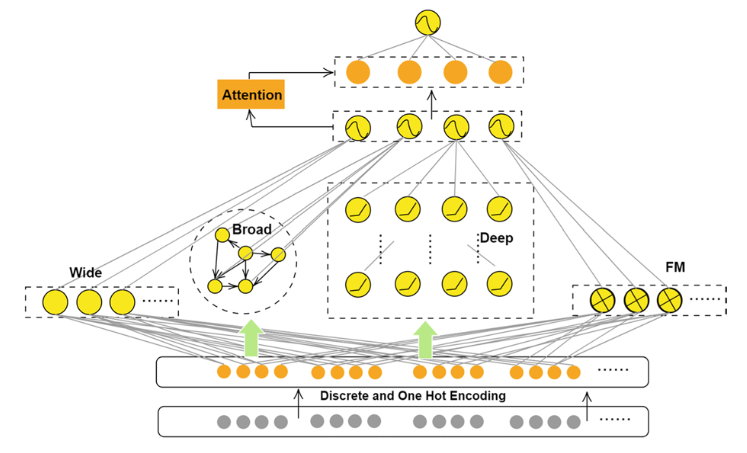
We develop classification methods for tabular data, with emphasis on feature interactions, discretisation, Bayesian network classifiers, logistic regression, feature engineering, causal learning, robustness, and interpretability.
Prospective PhD students, visiting researchers, and collaborators interested in generative tabular models, knowledge-guided learning, multimodal learning, anomaly detection, tabular classification, causal learning, or applied data science are welcome to contact me with a short research statement, CV, transcripts, and links to relevant publications or code.